Austria is one of Europe’s quiet achievers. It makes crisp, peppery whites and juicy, cherry-scented reds that are fantastic with food, and its winemakers have a reputation for care and quality. If you enjoy Sauvignon Blanc or Pinot Noir and fancy trying something a little different, Austria is a great place to start.
A quick introduction
Austria’s vineyards are mostly in the east of the country, around Vienna and along the Danube. The climate is cool to moderate, with warm days and cold nights, perfect for making fresh, aromatic wines. Austria also has strict quality rules and a strong focus on organic and biodynamic farming.
Grüner Veltliner: Austria’s signature white
Grüner Veltliner (often shortened to “Grüner”) is Austria’s most important grape. It’s fresh and zesty, with notes of green apple, citrus and lentil, and a distinctive twist of white pepper on the finish. It sits somewhere between Sauvignon Blanc and Chardonnay: crisp, but with a little more texture.
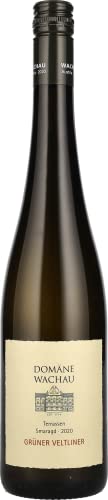
Sepp Moser Grüner Veltliner is a benchmark organic example, savoury and peppery. Funkstille Grüner Veltliner from Niederösterreich is fresh and fruity, a brilliant everyday bottle. For something special, Domäne Wachau Grüner Veltliner Smaragd shows how rich and complex the grape can become.


The Wachau and its quality levels
The Wachau, on a dramatic stretch of the Danube, is Austria’s most famous white wine region. It has its own system for describing ripeness:
- Steinfeder: the lightest, freshest style.
- Federspiel: medium-bodied and elegant.
- Smaragd: the ripest and richest, named after the emerald lizards that bask on the warm vineyard terraces.
Zweigelt: Austria’s favourite red
Zweigelt is Austria’s most widely planted red grape. It makes soft, juicy wines with bright cherry fruit and a hint of spice, a little like a cross between Pinot Noir and Beaujolais. It’s lovely served slightly chilled.
Sepp Moser Zweigelt is fresh and elegant, and Sonnengold Blauer Zweigelt is a fruity, easy-drinking introduction.
-

Sepp Moser Classic Style Zweigelt, Austrian Red Wine, 750ml
£17.00 -
Sonnengold Blauer Zweigelt Austrian Red Wine 75 cl – Dry, Ruby‑Red Blauer Zweigelt from Burgenland with Sour Cherry, Plum & Pepper Spice – Velvet Tannins, 13.5% ABV
£12.99 -
Kloster Eberbach – Riesling Kabinett – White wine from Germany (1x 0.75 L)
£15.14


Other Austrian grapes worth knowing
- Riesling: Austria makes superb dry Riesling, especially in the Wachau and Kamptal.
- Blaufränkisch: a deeper, spicier red with dark berry fruit.
- Sweet wines: around Lake Neusiedl, Austria makes world-class dessert wines.
If you like Austrian Riesling, Germany is the natural next step; try Kloster Eberbach Riesling Kabinett.
What to eat with Austrian wine
Grüner Veltliner is famously food-friendly. It’s one of the few wines that copes with tricky ingredients like asparagus and artichokes.
- Grüner Veltliner: Wiener schnitzel, roast chicken, asparagus, sushi and Vietnamese food.
- Zweigelt: charcuterie, roast pork, mushroom dishes and pizza.
FAQs
What does Grüner Veltliner taste like?
Fresh green apple and citrus with a peppery finish. It’s crisp but slightly fuller than Sauvignon Blanc.
Should Zweigelt be served chilled?
A light chill, around 14°C, brings out its juicy fruit beautifully.
Is Austrian wine expensive?
Everyday Grüner and Zweigelt are very reasonably priced. Top Wachau Smaragd wines cost more but offer great quality.
Explore Austria’s neighbour in our guide to the best German wines.