The wine list
Rose
Rosé is made from red grapes, but the juice spends only a short time in contact with the dark skins, usually a matter of hours rather than the days or weeks used for red wine. That brief contact gives the wine its pink colour, which can range from the palest onion-skin to deep cherry, and a little of the red-fruit flavour of the grape, while keeping the freshness of a white. It is not, as is sometimes assumed, a blend of red and white wine; outside Champagne that method is not permitted for European still rosé.
Styles of rosé
The fashionable style is pale, dry and delicate, and its home is Provence in the south of France, where Grenache, Cinsault and Syrah produce wines tasting of strawberry, peach and citrus with a savoury, herbal edge. Elsewhere in France, Tavel in the Rhône makes a darker, fuller rosé, and the Loire offers both dry and gently sweet versions. Spanish rosado, often from Garnacha or Tempranillo, tends to be deeper in colour and fruitier. Italy has its own rosato traditions, and Pinot Grigio blush is a light, easy-drinking favourite. From California, White Zinfandel is noticeably sweeter and lower in alcohol.
Colour is not sweetness
A common misconception is that darker rosé is sweeter. In fact colour simply reflects the grape variety and how long the skins were left in the juice. Many deep pink wines are bone dry, and some pale ones are off-dry. If you prefer a dry style, look for Provence, Tavel, Rioja rosado or wines labelled dry; if you like a touch of sweetness, try Rosé d’Anjou or White Zinfandel.
Serving and food
Rosé should be served well chilled, at around 8 to 10°C, and it is almost always best drunk young, ideally within a year or two of the vintage, while the fruit is bright. It is one of the most food-friendly wines there is. Dry rosé works with grilled fish, prawns, salads, charcuterie, Mediterranean vegetables and barbecued chicken, and fuller styles can handle lamb and lightly spiced dishes. It is also a very easy wine to pour for a mixed group, as it sits comfortably between red and white.
Narrow it down
By style
By price
Showing 1–16 of 26 results
-

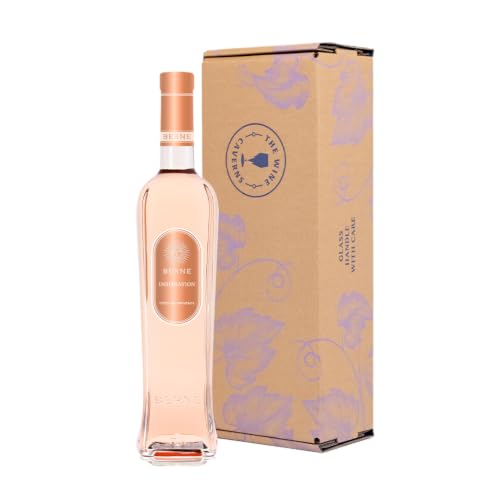
CHATEAU DE BERNE – Berne Inspiration Rosé Wine 75cl – Provence Rosé, Fresh & Elegant Summer Wine – Grenache Noir, Cinsault, Syrah – Dry French Provence Rosé – 75cl Bottle
Original price was: £18.00.£14.40Current price is: £14.40. -
Chateau Minuty 281 Provence Rosé Wine 75cl
£68.99 -
Fleurs de Prairie – Côtes de Provence Rosé Wine Magnum (1 x 1,5L)
£24.65 -
La Gioiosa Prosecco Rose 20cl
£5.00 -
La Grande Vinothèque – Southern French Wine Mixed Case (6 x 0,75L)
Original price was: £69.95.£65.70Current price is: £65.70. -
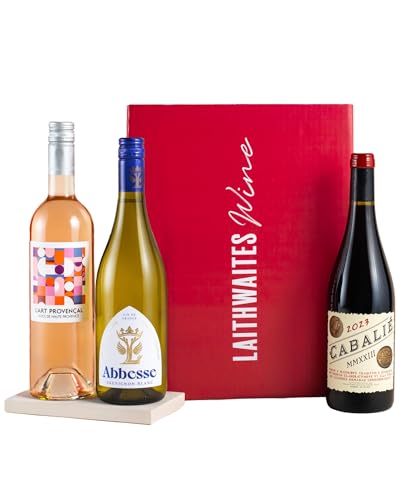
Laithwaites French Wine Gift Set (Red, White, Rose Trio) With Gift box, 3 x 750ml Bottles, 11-13% ABV
Original price was: £42.99.£39.99Current price is: £39.99. -
M de Minuty Cotes de Provence Rose 2025 Duo 2x75cl – French Rose Wine
£44.95 -
Maison AIX | Coteaux d’Aix-en-Provence Rosé 12.5% ABV | 75cl
£21.95 -
Marius Peyol – Rose Wine, Cotes de Provence (1 x 0.75 L)
£10.90 -
Masseria Altemura Zìnzula Rosé Salento IGT – Fresh & Crisp Italian Still Rosato Wine from the Apuila Region, Italy – 100% Negroamaro Grapes – 75cl / 750ml, 12% ABV
£14.05 -
Mirabeau Belle Année Rosé 75cl l Vegan Friendly l Pale Dry Rosé Wine from South of France l 13% ABV l B-Corp Certified
£9.50 -
Mirabeau Pure Cotes de Provence Rose 75cl I Award-winning Premium Provence Rose Wine I 12.5% ABV I B Corp Certified
Original price was: £17.00.£13.70Current price is: £13.70. -
Monte Del Fra, Bardolino Chiaretto Rosé Wine, Veneto, Italy, 75cl
£15.63 -
Rock Angel by Caves d’Esclans, Côtes de Provence Rosé, Whispering Angel, 2024 Vintage, Bottle, 75cl
£28.00 -
San Marzano Tramari Primitivo Rosé 2 x 75cl – Salento Italy 12.5% ABV
£31.95 -
San Marzano Tramari Primitivo Rosé 75cl – Salento Italy 12.5% ABV
£17.95




The buying guide
Rose
Rosé is made from red grapes, but the juice spends only a short time in contact with the dark skins, usually a matter of hours rather than the days or weeks used for red wine. That brief contact gives the wine its pink colour, which can range from the palest onion-skin to deep cherry, and a little of the red-fruit flavour of the grape, while keeping the freshness of a white. It is not, as is sometimes assumed, a blend of red and white wine; outside Champagne that method is not permitted for European still rosé.
Styles of rosé
The fashionable style is pale, dry and delicate, and its home is Provence in the south of France, where Grenache, Cinsault and Syrah produce wines tasting of strawberry, peach and citrus with a savoury, herbal edge. Elsewhere in France, Tavel in the Rhône makes a darker, fuller rosé, and the Loire offers both dry and gently sweet versions. Spanish rosado, often from Garnacha or Tempranillo, tends to be deeper in colour and fruitier. Italy has its own rosato traditions, and Pinot Grigio blush is a light, easy-drinking favourite. From California, White Zinfandel is noticeably sweeter and lower in alcohol.
Colour is not sweetness
A common misconception is that darker rosé is sweeter. In fact colour simply reflects the grape variety and how long the skins were left in the juice. Many deep pink wines are bone dry, and some pale ones are off-dry. If you prefer a dry style, look for Provence, Tavel, Rioja rosado or wines labelled dry; if you like a touch of sweetness, try Rosé d’Anjou or White Zinfandel.
Serving and food
Rosé should be served well chilled, at around 8 to 10°C, and it is almost always best drunk young, ideally within a year or two of the vintage, while the fruit is bright. It is one of the most food-friendly wines there is. Dry rosé works with grilled fish, prawns, salads, charcuterie, Mediterranean vegetables and barbecued chicken, and fuller styles can handle lamb and lightly spiced dishes. It is also a very easy wine to pour for a mixed group, as it sits comfortably between red and white.