Port is one of the world’s great wines, and a British favourite for centuries. It’s rich, sweet and warming, perfect with cheese after dinner, and essential at Christmas. But the different styles can be confusing. Here’s everything you need to know, from how port is made to which bottle to buy.
What is port?
Port is a fortified wine from the Douro Valley in northern Portugal. It’s made from a blend of local red grapes, including Touriga Nacional and Touriga Franca, grown on dramatic, steep terraces above the Douro river.
The key to port is fortification. Partway through fermentation, a neutral grape spirit is added. This stops the yeast working, leaving natural grape sugar in the wine and raising the alcohol to around 19–22%. That’s what gives port its sweetness, richness and strength.
Why is port so British?
In the late 1600s, when Britain was at war with France and French wine was hard to get, British merchants turned to Portugal. Adding brandy helped the wine survive the sea journey. Many of the most famous port houses, such as Taylor’s, Graham’s, Dow’s, Warre’s and Cockburn’s, were founded by British families.
The two families of port: ruby and tawny
All port falls broadly into two styles, depending on how it’s aged.
Ruby ports are aged in large vats or in the bottle, with little contact with air. They keep their deep colour and fresh, rich, dark-fruit flavours: blackberry, plum and cherry.
Tawny ports are aged in small wooden barrels, where slow contact with air turns them amber-brown and gives them nutty, caramel, dried fruit and toffee flavours.
The main styles of port
- Ruby and Reserve: young, fruity and good value. Taylor’s First Estate Reserve and Cockburn’s Special Reserve are classics.
- Late Bottled Vintage (LBV): from a single year, aged four to six years in wood. Richer than a Reserve and great value. Try Graham’s LBV, Taylor’s LBV or Dow’s LBV.
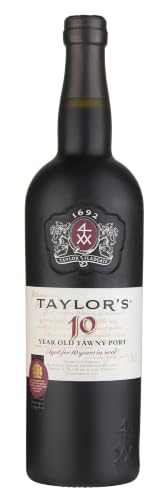
- Tawny with an age statement: 10, 20, 30 or 40 Year Old. The number is an average age, showing the style. Graham’s 10 Year Old Tawny and Taylor’s 10 Year Old are superb.
- Vintage port: made only in exceptional years, from the best grapes. Bottled young and designed to age for decades. Dow’s Quinta do Bomfim is a lovely example.
- White port: made from white grapes, often served with tonic. Graham’s Fine White Port is perfect for a summery port and tonic.
- Rosé port: a modern, fruity style made to be served chilled or in cocktails. Try Offley Rosé Port.
-

Graham’s Late Bottled Vintage Port, 75cl, Packaging May Vary
Original price was: £17.20.£11.90Current price is: £11.90. -
Graham’s 10 Year Old Tawny Port, 75 cl, (packaging may vary) Wine
Original price was: £25.70.£22.75Current price is: £22.75. -
Dows Quinta Do Bomfim Vintage Port Wine, 75 cl
£32.00


How to serve port
- Ruby, Reserve and LBV: serve at cool room temperature, around 16°C.
- Tawny: lightly chilled, around 10–14°C. It’s lovely straight from the fridge in summer.
- White and rosé: well chilled, or over ice with tonic.
Use a small wine glass rather than a tiny sherry schooner, so you can enjoy the aromas. A standard serving is around 75ml.
Does port need decanting?
Most ports don’t. Traditional vintage port and some unfiltered LBVs throw a sediment and should be decanted. Stand the bottle upright for a day, then pour slowly into a decanter, stopping when the sediment reaches the neck. Our decanting guide explains how.
How long does port last once opened?
- Ruby and Reserve: around 4–6 weeks.
- LBV: a few weeks.
- Tawny: up to 2–3 months, as it’s already used to air.
- Vintage: best within a few days.
Keep opened bottles stoppered and somewhere cool.
What to eat with port
- Ruby and LBV: Stilton, dark chocolate and chocolate desserts.
- Tawny: mature Cheddar, crème brûlée, pecan pie and Christmas pudding.
- White port and tonic: salted almonds and olives.
For more pairings, see our wine and cheese guide.
Port gifts
Graham’s Mini Port Selection is a lovely way to taste five styles side by side, and Graham’s The Tawny with gift tube makes a smart present.
-
Graham’s Mini Port Wine Selection Presentation Pack, 5 cl (Case of 5)
Original price was: £18.25.£17.50Current price is: £17.50. -
Graham’s The Tawny Mature Reserve Tawny Port with Gift Tube, 75 cl
£20.80 -
Taylors Port 10 Year Old Tawny Port | 75 cl
£25.95


FAQs
Is port a wine or a spirit?
Port is a wine, fortified with a little grape spirit.
What’s the best port for beginners?
An LBV offers lots of richness and flavour for the money. A 10 Year Old Tawny is great if you prefer nutty, caramel flavours.
Browse every bottle on our port list, or read our guide to fortified wines.