Rioja is the wine most of us reach for when we want a red that just works. Smooth, a bit spicy, happy with a roast or a plate of cured ham, and rarely a disappointment. But walk past a shelf of it and you’ll see Crianza, Reserva and Gran Reserva on almost every label. Those words aren’t marketing fluff. They tell you exactly how the wine was made, and once you know what they mean, choosing a bottle gets a lot easier.
Where Rioja comes from
Rioja is a region in northern Spain, running along the Ebro river. It’s split into three areas: Rioja Alta and Rioja Alavesa in the cooler, higher west, and Rioja Oriental in the warmer east. Most bottles are a blend from across the region, so you don’t need to worry too much about which part a wine is from.
The main grape is Tempranillo, which gives that classic strawberry, cherry and leather character. Garnacha adds ripe fruit and warmth, and smaller amounts of Graciano and Mazuelo bring freshness and colour.
Crianza, Reserva and Gran Reserva explained
The ageing words on a Rioja label are legally defined, and they’re the single most useful thing to understand.
- Joven or Tinto: young wine with little or no time in oak. Fresh, fruity and made for drinking now.
- Crianza: at least two years of ageing, with at least one of those in oak barrels. Juicy fruit with a soft vanilla edge.
- Reserva: at least three years of ageing, with at least one in oak. Smoother, spicier and more layered.
- Gran Reserva: at least five years of ageing, with at least two in oak. Mellow, savoury and complex, made only in good years.
More age doesn’t automatically mean “better”. It means a different style. A Crianza is brilliant with a midweek chilli; a Gran Reserva comes into its own with slow-roast lamb or a cheese board.
Our favourite Crianzas
Crianza is where Rioja offers its best value. You get the oak-kissed smoothness that makes Rioja so likeable, without paying for years in a cellar.
Cune Crianza is a long-standing favourite and one of the best-value reds on our list. It’s bright and cherry-led, with just enough oak to round it off. Beronia Rioja Crianza is a touch richer, with plum and a hint of clove, and Ederra Crianza is a reliable everyday pick that’s lovely with tapas.
If you prefer a bit more weight, Manoso Rioja Crianza is generous and plush without being heavy.
-

Cune Crianza Rioja Spain Red Wine 75 cl
Original price was: £10.75.£9.50Current price is: £9.50. -
Beronia Rioja Crianza – Spanish Red Wine, 75cl Bottle
£12.25 -
Ederra Crianza Tempranillo Rioja Red Wine 75cl
£10.90


The Reservas worth knowing
Step up to Reserva and things get smoother and more savoury. This is our sweet spot for Sunday lunch.
Beronia Rioja Reserva is one of the most popular bottles on the whole site, and with good reason: ripe plum, vanilla and spice in perfect balance. Marqués de Cáceres Reserva is a classic, polished style, while Marqués de Murrieta Reserva is a proper treat, with deep fruit and a long, elegant finish.
-
Beronia Rioja Reserva – Spanish Red Wine, 75cl Bottle
Original price was: £17.50.£15.93Current price is: £15.93. -
Marques de Caceres Reserva 75cl
£25.69 -
Marques de Murrieta Reserva, Spain Rioja, Red Wine
£37.95


Gran Reserva for special occasions
Gran Reservas are the ones to open when you want something memorable. Expect softer fruit, dried fig, tobacco and leather, with silky tannins.
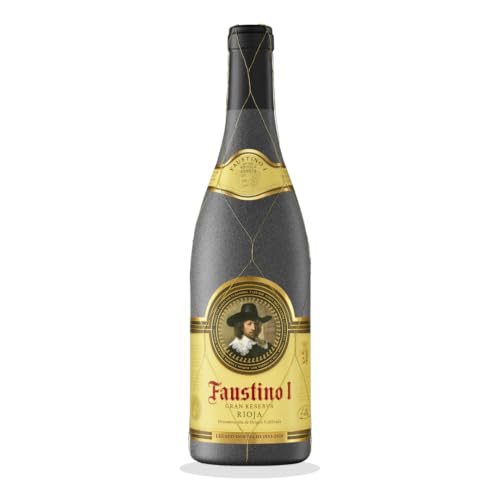
Faustino I Gran Reserva is the bottle many people picture when they think of Rioja, and it’s a brilliant introduction to the style. Cune Gran Reserva is fresher and more elegant, and Campo Viejo Gran Reserva gives you plenty of that mellow, aged character for a fair price. For a real occasion, Beronia Gran Reserva spends over two years in French oak and tastes it.
-
Faustino I Gran Reserva Rioja Red Wine 75cl, 14% ABV | Vintage Aged, Spain
£15.98 -
Cune Gran Reserva Rioja Spain Red Wine 75cl
£15.00 -
Campo Viejo Rioja Gran Reserva Tempranillo, Red Wine, 75 cl
Original price was: £18.00.£17.50Current price is: £17.50.


Don’t forget white Rioja
White Rioja is one of Spain’s best-kept secrets. It’s made mostly from the Viura grape, and comes in two styles: fresh and zesty, or rich and oak-aged.
Campo Viejo Rioja Blanco is the fresh kind, crisp and citrussy, and great with fish or a summer salad. Viña Pomal Rioja Blanco is fuller and rounder, a lovely alternative to an oaked Chardonnay.
What to eat with Rioja
- Crianza: chorizo, pizza, burgers, chilli con carne and tapas.
- Reserva: roast lamb, beef stew, roast chicken and Manchego.
- Gran Reserva: slow-roast lamb shoulder, game and aged hard cheeses.
- White Rioja: grilled fish, paella and garlicky prawns.
For more ideas, see our guide to the best wine with steak.
Serving tips
Serve Rioja just below room temperature, around 16–18°C. If your kitchen is warm, 15 minutes in the fridge does no harm. Gran Reservas benefit from being opened half an hour before dinner, and older bottles can throw a little sediment, so pour gently. Our decanting guide explains how.
The bottom line
If you only buy one Rioja, make it a Reserva. It’s the best balance of fruit, oak and price. Start with Beronia Reserva, keep a Cune Crianza in for weeknights, and save a Faustino I Gran Reserva for a special Sunday. You can browse every bottle on our red wine list.
FAQs
What is the best Rioja for the money?
A Crianza offers the best value, giving you oak-aged smoothness without the price of a long-aged wine. Cune Crianza is our pick.
Is Rioja dry?
Yes. Red Rioja is a dry wine; its smoothness and vanilla notes come from oak ageing rather than sugar.
How long does Rioja keep?
Crianzas are best within a few years. Good Reservas and Gran Reservas can age for a decade or more.
What grape is Rioja made from?
Mostly Tempranillo, often blended with Garnacha, Graciano and Mazuelo.