The wine list
Dessert Wine
Dessert wines are sweet wines made to be sipped in small glasses at the end of a meal, with pudding, with cheese, or simply on their own. The best examples are not merely sugary. They balance their sweetness with fresh acidity, so they taste luscious but never cloying, and they are some of the most labour-intensive and long-lived wines in the world.
How sweet wines are made
There are several ways to concentrate the sugar in grapes. Late-harvest wines are made from fruit left on the vine well into autumn to ripen further and begin to shrivel. In certain misty, humid vineyards a beneficial fungus called noble rot, or Botrytis cinerea, pierces the grape skins and lets water evaporate, intensifying sugar and flavour. This is the secret behind Sauternes from Bordeaux, made mainly from Sémillon and Sauvignon Blanc, as well as Hungary’s Tokaji Aszú and the great sweet Rieslings of Germany and Austria. Ice wine, or Eiswein, is made from grapes that have frozen on the vine and are pressed while still frozen. In Italy, grapes are dried on racks after picking to make wines such as Vin Santo and Recioto. Finally, fortified Muscats, such as Muscat de Beaumes-de-Venise from the Rhône, have spirit added to preserve the natural grape sweetness.
What they taste like
Flavours vary with the method. Botrytis wines typically show honey, apricot, marmalade and saffron. Late-harvest and ice wines are purer and fruitier, with peach, pineapple and citrus. Dried-grape wines lean towards raisins, nuts and caramel, while Muscat-based wines are floral and grapey.
Serving and matching
Serve dessert wine chilled, at around 8 to 10°C, in modest measures; a half bottle is usually enough for six people. The golden rule of matching is that the wine should be at least as sweet as the food, otherwise it will taste thin. Sauternes is a classic with fruit tarts, crème brûlée and blue cheese such as Roquefort. Lighter Muscats suit fresh fruit and lemon desserts, and darker, raisined styles are best with chocolate, nuts and Christmas pudding. Thanks to their sugar, opened bottles keep well in the fridge for a week or more.
Narrow it down
By style
By price
Showing 1–16 of 22 results
-

Bartenura Moscato | Sweet Sparkling White Wine in Iconic Blue Bottle | Light, Fruity & Refreshing Italian Moscato | Low Alcohol 5% | Perfect for Parties, Brunch, Desserts & Gifting
£12.50 -
Blandy’s Duke of Clarence Rich Madeira wine, 75cl
£14.95 -
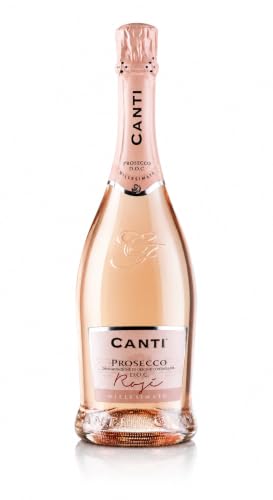
Canti Prosecco D.O.C. Rose Millesimato, Fresh and Sweet Taste, 750 ml
Original price was: £6.88.£6.35Current price is: £6.35. -
Cantine Pellegrino Passito Pantelleria Dessert Wine, 50 cl
£16.68 -
Carmel Palwin No.10 Menorah – Sweet Red Dessert Wine – 750ml
£12.20 -
Castello di Albola Vin Santo del Chianti DOCG – Dessert White Wine from Tuscany, Italy – Malvasia del Chianti & Trebbiano Toscano Blend – 50cl / 500ml, 16% ABV
£31.03 -
Chateau Ramon Monbazillac 2021/2022 75cl
£23.95 -
Chateau Violet Sauternes 2023 37.5cl 13.5% ABV
£21.95 -
De Bortoli Noble One Botrytis Semillon Dessert Wine, 37.5 cl
£23.00 -
Domaine de Grange Neuve Monbazillac, French Dessert Wine, 500ml
£15.25 -
Florio Marsala Superiore Riserva Secco Non Vintage 75cl
£23.50 -
Freixenet Italian Rose, 750ml
£9.94 -
Kedem Traditional Kiddush, Sweet Red Wine, 750 ml
£10.00 -
Nederburg Winemasters Noble Late Harvest, 37.5cl
£13.33 -
Pellegrino Marsala Superiore Dolce 18% 75cl
£19.39 -
Pierre Ferrand Pineau Des Charentes | Flavours of Peaches, Almonds & Vanilla | Enjoy as an Aperitif or Dessert Wine | 75cl | 17% ABV
£19.81




The buying guide
Dessert Wine
Dessert wines are sweet wines made to be sipped in small glasses at the end of a meal, with pudding, with cheese, or simply on their own. The best examples are not merely sugary. They balance their sweetness with fresh acidity, so they taste luscious but never cloying, and they are some of the most labour-intensive and long-lived wines in the world.
How sweet wines are made
There are several ways to concentrate the sugar in grapes. Late-harvest wines are made from fruit left on the vine well into autumn to ripen further and begin to shrivel. In certain misty, humid vineyards a beneficial fungus called noble rot, or Botrytis cinerea, pierces the grape skins and lets water evaporate, intensifying sugar and flavour. This is the secret behind Sauternes from Bordeaux, made mainly from Sémillon and Sauvignon Blanc, as well as Hungary’s Tokaji Aszú and the great sweet Rieslings of Germany and Austria. Ice wine, or Eiswein, is made from grapes that have frozen on the vine and are pressed while still frozen. In Italy, grapes are dried on racks after picking to make wines such as Vin Santo and Recioto. Finally, fortified Muscats, such as Muscat de Beaumes-de-Venise from the Rhône, have spirit added to preserve the natural grape sweetness.
What they taste like
Flavours vary with the method. Botrytis wines typically show honey, apricot, marmalade and saffron. Late-harvest and ice wines are purer and fruitier, with peach, pineapple and citrus. Dried-grape wines lean towards raisins, nuts and caramel, while Muscat-based wines are floral and grapey.
Serving and matching
Serve dessert wine chilled, at around 8 to 10°C, in modest measures; a half bottle is usually enough for six people. The golden rule of matching is that the wine should be at least as sweet as the food, otherwise it will taste thin. Sauternes is a classic with fruit tarts, crème brûlée and blue cheese such as Roquefort. Lighter Muscats suit fresh fruit and lemon desserts, and darker, raisined styles are best with chocolate, nuts and Christmas pudding. Thanks to their sugar, opened bottles keep well in the fridge for a week or more.