The wine list
Prosecco
Prosecco is Italy’s best-loved sparkling wine and one of the most popular in the world. Light, fresh and gently fruity, it is an easy-going, affordable fizz that suits everything from a casual drink with friends to a wedding toast. It comes from north-east Italy, from a large area spanning the Veneto and Friuli Venezia Giulia regions, north of Venice.
How Prosecco is made
Prosecco is made mainly from the Glera grape, which must make up at least 85 per cent of the blend. Unlike Champagne, its bubbles are produced by the tank method: the second fermentation takes place in large pressurised stainless-steel tanks rather than in the individual bottle. The process is faster and less expensive, and, crucially, it preserves the fresh, aromatic character of the grape. That is why Prosecco tastes of pear, green apple, white peach and blossom, rather than the toast and brioche of Champagne.
Quality levels
Most bottles are labelled Prosecco DOC. A step up are the two DOCG areas, Conegliano Valdobbiadene and Asolo, where vines grow on steep hillsides and yields are lower. The wines have more intensity and finesse and are often labelled Prosecco Superiore. Within Valdobbiadene, the small hill of Cartizze is considered the finest site of all. Since 2020, Prosecco Rosé has also been permitted; it gets its pink colour from a small proportion of Pinot Noir.
Fizz and sweetness
Spumante is fully sparkling and is the most common style, while frizzante is more gently fizzy. The sweetness terms can be confusing. Brut is the driest of the widely sold styles. Extra Dry, the traditional and most popular style, is in fact slightly sweeter than Brut, with a soft, rounded fruitiness, and Dry is sweeter again.
Serving and food
Serve Prosecco well chilled, at 6 to 8°C, and drink it young, ideally within a year or two of purchase, as it is not a wine to keep. It is a perfect aperitif and the essential ingredient in a Bellini or an Aperol Spritz. With food, try it with cured ham, mild cheeses, seafood, light pasta dishes, sushi and fruit-based desserts.
Narrow it down
By style
By price
Showing 33–38 of 38 results
-

Our Selection Prosecco DOC Rosé Extra Dry, 75cl | Sparkling Rosé Wine from Veneto, Italy | Glera & Pinot Noir | Wild Strawberry & Raspberry Notes | For Aperitifs, Spritz & Celebrations
£6.99 -

Premier Estates | Best Prosecco D.O.C. | Sparkling White Wine | Millesimato from Italy | Case of 6 x 75cl Bottles | Extra Dry
£62.99 -

Raimat Organic Cava Brut Nature Sparkling Wine 75cl
Original price was: £11.50.£9.77Current price is: £9.77. -

Sant’Orsola Prosecco D.O.C. Millesimato Extra Dry, 750 ml
Original price was: £11.90.£8.50Current price is: £8.50. -

Thornton & France Prosecco & Chocolates Gift Box for Her
£29.95 -
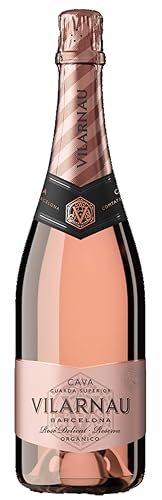
Vilarnau Brut Rose Reserva Organic Cava – Vegan Spanish Sparkling Wine, 75cl Bottle
Original price was: £13.00.£8.99Current price is: £8.99.
The buying guide
Prosecco
Prosecco is Italy’s best-loved sparkling wine and one of the most popular in the world. Light, fresh and gently fruity, it is an easy-going, affordable fizz that suits everything from a casual drink with friends to a wedding toast. It comes from north-east Italy, from a large area spanning the Veneto and Friuli Venezia Giulia regions, north of Venice.
How Prosecco is made
Prosecco is made mainly from the Glera grape, which must make up at least 85 per cent of the blend. Unlike Champagne, its bubbles are produced by the tank method: the second fermentation takes place in large pressurised stainless-steel tanks rather than in the individual bottle. The process is faster and less expensive, and, crucially, it preserves the fresh, aromatic character of the grape. That is why Prosecco tastes of pear, green apple, white peach and blossom, rather than the toast and brioche of Champagne.
Quality levels
Most bottles are labelled Prosecco DOC. A step up are the two DOCG areas, Conegliano Valdobbiadene and Asolo, where vines grow on steep hillsides and yields are lower. The wines have more intensity and finesse and are often labelled Prosecco Superiore. Within Valdobbiadene, the small hill of Cartizze is considered the finest site of all. Since 2020, Prosecco Rosé has also been permitted; it gets its pink colour from a small proportion of Pinot Noir.
Fizz and sweetness
Spumante is fully sparkling and is the most common style, while frizzante is more gently fizzy. The sweetness terms can be confusing. Brut is the driest of the widely sold styles. Extra Dry, the traditional and most popular style, is in fact slightly sweeter than Brut, with a soft, rounded fruitiness, and Dry is sweeter again.
Serving and food
Serve Prosecco well chilled, at 6 to 8°C, and drink it young, ideally within a year or two of purchase, as it is not a wine to keep. It is a perfect aperitif and the essential ingredient in a Bellini or an Aperol Spritz. With food, try it with cured ham, mild cheeses, seafood, light pasta dishes, sushi and fruit-based desserts.