The wine list
Spain
Spain has more land under vine than any other country, and red wine is at the heart of its reputation. The classic Spanish style is smooth and mellow, shaped by ageing in oak barrels and in bottle before release, so the wines are ready to drink when you buy them. Alongside that tradition there is now a wave of fresher, more fruit-driven reds from regions across the country.
Tempranillo
Tempranillo is Spain’s most important red grape. In Rioja, in the north, it is usually blended with Garnacha and smaller amounts of Graciano and Mazuelo to give wines with strawberry and cherry fruit, vanilla and spice. In Ribera del Duero, on the high central plateau, the same grape, known locally as Tinto Fino, makes darker, more powerful wines. Neighbouring Toro produces a bigger style still.
Other grapes and regions
Garnacha, the grape called Grenache in France, is native to north-east Spain and gives juicy, generous reds, particularly from old vines in Campo de Borja and Calatayud in Aragon. In Catalonia, Priorat makes intense, mineral wines from Garnacha and Cariñena grown on steep slate slopes. The south-east, including Jumilla and Yecla, specialises in Monastrell, which produces rich, dark, full-bodied reds. In the cooler north-west, the Mencía grape of Bierzo makes fragrant, medium-bodied wines.
Understanding ageing terms
Spanish labels often state how long a wine has been matured. Joven wines are young and see little or no oak. Crianza wines are aged for at least two years, part of that time in barrel. Reserva wines are aged for at least three years, and Gran Reserva wines, made only in good vintages, for at least five. As a rule, longer ageing means a softer, more savoury wine with flavours of leather, tobacco and dried fruit.
Food matching
Spanish reds are superb with roast lamb, the classic partner for Rioja, as well as chorizo, cured ham, grilled pork, paella with meat and Manchego cheese. Serve at around 16 to 18°C.
Narrow it down
By style
By price
Showing 1–16 of 17 results
-

Beronia Rioja Crianza – Spanish Red Wine, 75cl Bottle
£12.25 -

Beronia Rioja Gran Reserva – Spanish Red wine, 75cl Bottle
Original price was: £20.25.£17.21Current price is: £17.21. -

Campo Viejo Rioja Garnacha Red Wine, 75 cl (Pack of 6)
£55.44 -

Campo Viejo Rioja Gran Reserva Tempranillo, Red Wine, 75 cl
Original price was: £18.00.£12.18Current price is: £12.18. -
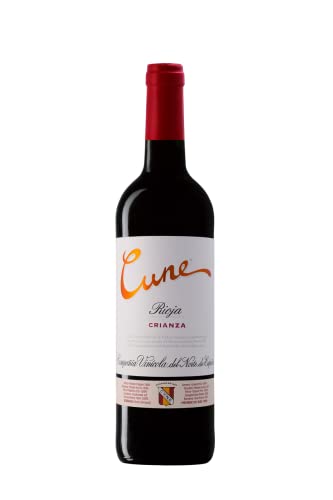
Cune Crianza Rioja Spain Red Wine 75 cl
£10.75 -

Cune Gran Reserva Rioja Spain Red Wine 75cl
£17.99 -

Ederra Crianza Tempranillo Rioja Red Wine 75cl
Original price was: £10.90.£9.13Current price is: £9.13. -
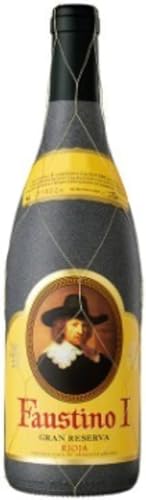
Faustino I Gran Reserva Rioja Red Wine 75cl, 14% ABV | Vintage Aged Red Wine | Rioja, Spain | (Pack of 6)
£95.88 -

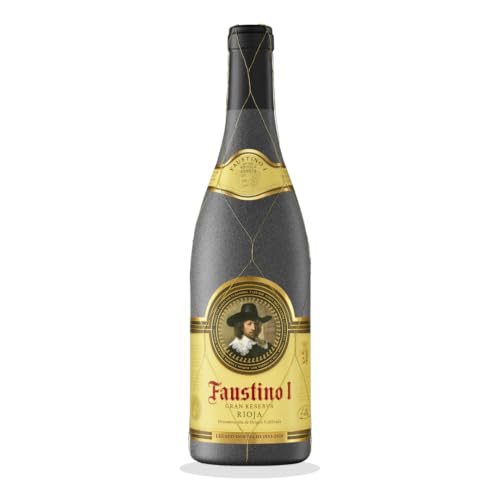
Faustino I Gran Reserva Rioja Red Wine 75cl, 14% ABV | Vintage Aged, Spain
£15.98 -
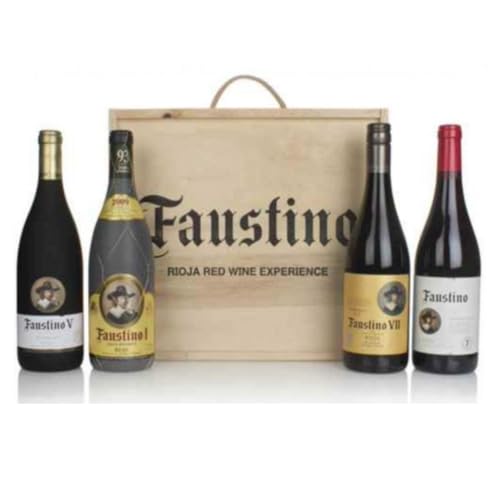
Faustino Premium Red Wine Experience Case 4x75cl | A Journey Through Spain’s Rioja Heritage from the Cellars of Bodegas Faustino to Your Glass | Rioja, Spain
£80.00 -
Manoso Rioja Crianza 2021 75cl
£16.95 -
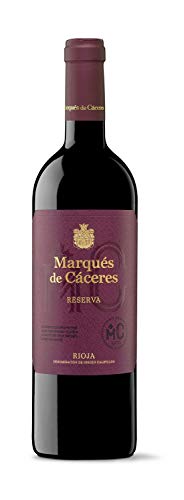
Marques de Caceres Reserva 75cl
£25.69 -
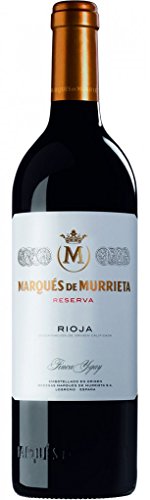
Marques de Murrieta Reserva, Spain Rioja, Red Wine
£37.95 -
Rioja Vega | Crianza Red Wine Rioja Spain 13.5% ABV | 2 x 75cl
£30.95 -
Rioja Vega | Tinto Tempranillo Red Wine Rioja Spain 14% ABV | 75cl
£15.95 -
Siglo Saco Rioja Tempranillo – Rioja DOCa – Classic Tempranillo Red Wine – 13.5% ABV – 750ml
£12.00



The buying guide
Spain
Spain has more land under vine than any other country, and red wine is at the heart of its reputation. The classic Spanish style is smooth and mellow, shaped by ageing in oak barrels and in bottle before release, so the wines are ready to drink when you buy them. Alongside that tradition there is now a wave of fresher, more fruit-driven reds from regions across the country.
Tempranillo
Tempranillo is Spain’s most important red grape. In Rioja, in the north, it is usually blended with Garnacha and smaller amounts of Graciano and Mazuelo to give wines with strawberry and cherry fruit, vanilla and spice. In Ribera del Duero, on the high central plateau, the same grape, known locally as Tinto Fino, makes darker, more powerful wines. Neighbouring Toro produces a bigger style still.
Other grapes and regions
Garnacha, the grape called Grenache in France, is native to north-east Spain and gives juicy, generous reds, particularly from old vines in Campo de Borja and Calatayud in Aragon. In Catalonia, Priorat makes intense, mineral wines from Garnacha and Cariñena grown on steep slate slopes. The south-east, including Jumilla and Yecla, specialises in Monastrell, which produces rich, dark, full-bodied reds. In the cooler north-west, the Mencía grape of Bierzo makes fragrant, medium-bodied wines.
Understanding ageing terms
Spanish labels often state how long a wine has been matured. Joven wines are young and see little or no oak. Crianza wines are aged for at least two years, part of that time in barrel. Reserva wines are aged for at least three years, and Gran Reserva wines, made only in good vintages, for at least five. As a rule, longer ageing means a softer, more savoury wine with flavours of leather, tobacco and dried fruit.
Food matching
Spanish reds are superb with roast lamb, the classic partner for Rioja, as well as chorizo, cured ham, grilled pork, paella with meat and Manchego cheese. Serve at around 16 to 18°C.