The wine list
Sparkling Wines
Sparkling wine turns any occasion into a celebration, but there is far more to it than toasts and weddings. Made all over the world, in styles from light and fruity to rich and complex, it is also one of the most versatile wines to serve with food. Understanding how the bubbles get into the bottle is the best way to find the style you prefer.
How sparkling wine is made
All sparkling wine begins as a still wine, to which yeast and sugar are added to start a second fermentation. The carbon dioxide this produces is trapped, creating the fizz. In the traditional method, the second fermentation takes place inside the individual bottle, and the wine then rests on the spent yeast for months or years. This gives fine, persistent bubbles and flavours of bread, biscuit and brioche. Champagne is made this way, as are Cava from Spain, Crémant from France and English sparkling wine. In the tank method, the second fermentation happens in a large sealed tank before bottling. It is quicker and less costly, and it preserves fresh, fruity, floral flavours. Prosecco is the best-known example.
The main styles
Champagne, from north-eastern France, is the most prestigious and the benchmark for complexity. Crémant offers a similar method at lower prices from regions such as the Loire, Burgundy and Alsace. Cava is typically dry and earthy, with citrus notes. English sparkling wine is crisp and elegant. Prosecco, from north-east Italy, is light, soft and fruity, with flavours of pear and apple. New World countries including Australia, New Zealand, South Africa and California also make excellent fizz.
Sweetness levels
Labels use a standard set of terms. Brut Nature and Extra Brut are the driest. Brut is dry and by far the most common. Confusingly, Extra Dry is slightly sweeter than Brut, and Demi-Sec is noticeably sweet and suited to desserts.
Serving
Chill sparkling wine thoroughly, to 6 to 10°C, and open it gently by holding the cork and turning the bottle. A tulip-shaped glass shows off the aromas better than a narrow flute. Serve it as an aperitif or with smoked salmon, oysters, canapés, fried food and even fish and chips.
Narrow it down
By style
By price
Showing 145–156 of 156 results
-

Taittinger Brut Vintage 2016 Champagne in Gift Box 75cl
£50.00 -
The Lyme Bay Winery Brut Reserve Sparkling Wine 11% abv 75 cl
£21.75 -
The Lyme Bay Winery Sparkling Rosé Wine 12% abv 75 cl
£24.53 -
Thornton & France Prosecco & Chocolates Gift Box for Her
£29.95 -
Tinwood Estate Wines | English Sparkling Wine Blanc de Blancs 750ml | Perfect for Celebrations
Original price was: £36.00.£28.80Current price is: £28.80. -
Tinwood Estate Wines | English Sparkling Wine Brut 750ml | Gift Box
Original price was: £39.00.£31.20Current price is: £31.20. -
Veuve Clicquot Rosé Champagne, Gift Box 75 cl
Original price was: £58.00.£50.00Current price is: £50.00. -
Veuve Clicquot Vintage 2015 Champagne, Gift Box, 75cl
£69.00 -
Veuve Clicquot Vintage Rosé 2015 Champagne, Gift Box, 75cl
£69.00 -
Veuve Clicquot Yellow Label Champagne, Gift Box, 75cl
Original price was: £53.00.£46.00Current price is: £46.00. -
Vilarnau Brut Rose Reserva Organic Cava – Vegan Spanish Sparkling Wine, 75cl Bottle
Original price was: £13.00.£8.99Current price is: £8.99. -
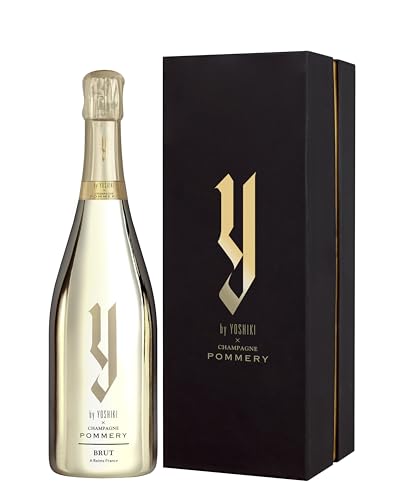
Y by YOSHIKI x Champagne Pommery Brut 75cl
£175.00


The buying guide
Sparkling Wines
Sparkling wine turns any occasion into a celebration, but there is far more to it than toasts and weddings. Made all over the world, in styles from light and fruity to rich and complex, it is also one of the most versatile wines to serve with food. Understanding how the bubbles get into the bottle is the best way to find the style you prefer.
How sparkling wine is made
All sparkling wine begins as a still wine, to which yeast and sugar are added to start a second fermentation. The carbon dioxide this produces is trapped, creating the fizz. In the traditional method, the second fermentation takes place inside the individual bottle, and the wine then rests on the spent yeast for months or years. This gives fine, persistent bubbles and flavours of bread, biscuit and brioche. Champagne is made this way, as are Cava from Spain, Crémant from France and English sparkling wine. In the tank method, the second fermentation happens in a large sealed tank before bottling. It is quicker and less costly, and it preserves fresh, fruity, floral flavours. Prosecco is the best-known example.
The main styles
Champagne, from north-eastern France, is the most prestigious and the benchmark for complexity. Crémant offers a similar method at lower prices from regions such as the Loire, Burgundy and Alsace. Cava is typically dry and earthy, with citrus notes. English sparkling wine is crisp and elegant. Prosecco, from north-east Italy, is light, soft and fruity, with flavours of pear and apple. New World countries including Australia, New Zealand, South Africa and California also make excellent fizz.
Sweetness levels
Labels use a standard set of terms. Brut Nature and Extra Brut are the driest. Brut is dry and by far the most common. Confusingly, Extra Dry is slightly sweeter than Brut, and Demi-Sec is noticeably sweet and suited to desserts.
Serving
Chill sparkling wine thoroughly, to 6 to 10°C, and open it gently by holding the cork and turning the bottle. A tulip-shaped glass shows off the aromas better than a narrow flute. Serve it as an aperitif or with smoked salmon, oysters, canapés, fried food and even fish and chips.