Ever taken a sip of red wine and felt your mouth go dry, a bit like after a strong cup of tea? That’s tannin. It’s one of the most important parts of red wine, giving structure, grip and the ability to age. Understanding tannin helps you choose wines you’ll enjoy and pair them better with food.
What are tannins?
Tannins are natural compounds called polyphenols, found in plants. In wine they come mainly from grape skins, seeds and stems, and from oak barrels.
Red wines are much higher in tannin than whites because they’re fermented with their skins, which also gives them their colour. White wines are usually made without skin contact, so they have very little tannin.
What do tannins feel like?
Tannin is more of a texture than a taste. It binds to proteins in your saliva, which creates that drying, gripping sensation on your gums, tongue and cheeks.
- Low tannin: soft and smooth, like silk.
- Medium tannin: a gentle grip, like velvet.
- High tannin: firm and drying, like strong black tea.
Tannins are also described as “fine-grained” or “coarse”, “ripe” or “green”. Ripe, fine tannins feel smooth and polished; unripe ones feel harsh and bitter.
High-tannin wines
Grapes with thick skins tend to make tannic wines. These include Cabernet Sauvignon, Nebbiolo (used for Barolo), Syrah, Malbec, Tannat and Sangiovese.
Batasiolo Barolo is a classic high-tannin wine, firm and powerful but with beautiful perfume. Rustenberg Cabernet Sauvignon has a polished, firm structure.
Low-tannin wines
Thin-skinned grapes make softer, smoother reds. Pinot Noir, Gamay (Beaujolais), Grenache, Zinfandel and Merlot are all relatively low in tannin.
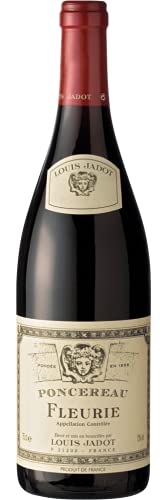
Louis Jadot Fleurie and Moillard Burgundy Pinot Noir are both soft, juicy and silky, great if you find big reds too drying.
-

Batasiolo, BAROLO DOCG, 750 ml, Still Red Dry Wine Barolo, Galant Selection
£27.01 -
Rustenberg Cabernet Sauvignon, South African Red Wine, 750ml
£16.45 -
Louis Jadot Fleurie Poncereau Beaujolais France Red Wine 75cl
Original price was: £22.99.£21.25Current price is: £21.25.


Why tannins matter for ageing
Tannins act as a natural preservative. Wines with plenty of tannin, like Barolo, top Bordeaux and vintage port, can age for decades. Over time, tannins soften and the wine becomes smoother and more complex.
That’s why a young Barolo can feel tough, while a mature one is silky. Opening a tannic wine in advance or decanting it can also help soften it. See our decanting guide.
Tannin and food
Tannin and food have a fascinating relationship.
- Protein and fat soften tannin. That’s why a big Cabernet tastes smoother with steak. Read our guide to the best wine with steak.
- Salt softens tannin too. A sprinkle of salt on your food can make a firm red taste rounder.
- Spicy food and tannin clash. Chilli makes tannins taste harsher and more bitter.
- Fish oils and tannin can clash, creating a metallic taste. That’s why light, low-tannin reds work best with fish.
Tannin vs acidity vs dryness
People often confuse these:
- Dryness in wine means a lack of sugar.
- Tannin is a drying texture, mainly in reds.
- Acidity makes your mouth water, rather than drying it.
A wine can be “dry” (no sugar) but low in tannin, like a crisp Sauvignon Blanc.
Smooth reds with soft tannins
If you prefer soft, easy-going reds, try Montes Classic Series Merlot, Apothic Winemaker’s Blend or Terra Organica Primitivo.
-
Montes Classic Series Merlot Chilean Red Wine 75cl 14.5% ABV
£17.95 -
Apothic Winemakers Blend Californian Red Wine 75cl Bottle
£16.95 -
Terra Organica Primitivo Red Wine – Rich and Velvety Organic Wine – Award Winning Red Wine from Family Run Winery – Italian 14.5% ABV – 1 x 75 cl – Makes for a Great Red Wine Gift
£12.75


FAQs
Are tannins bad for you?
Tannins are natural antioxidants found in tea, chocolate and many fruits as well as wine.
Do white wines have tannin?
Very little, unless they’re aged in oak or made with skin contact, like orange wine.
Learn how oak adds tannin and flavour in our guide to oak in winemaking.