“Fine wine” gets used a lot, often to mean “expensive wine”. But price is only part of the story. A truly fine wine has qualities you can taste, even if you’re not an expert. Once you know what to look for, you’ll start noticing them, and you’ll be better at spotting great wine at any price.
1. Balance
Every wine is made up of a few key elements: fruit, acidity, tannin (in reds), alcohol and sometimes sweetness. In a fine wine, none of these sticks out. The fruit is ripe but not jammy, the acidity is fresh but not sour, the tannins are firm but not harsh, and the alcohol is warming without burning.
Balance is what makes a wine feel effortless to drink. It’s also what allows a wine to age gracefully.
2. Complexity
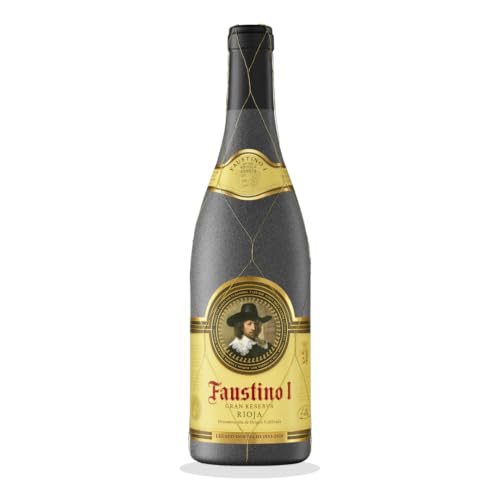
Simple wines taste of one or two things: “cherries” or “lemons”. Fine wines have layers. A great Rioja Gran Reserva might show dried cherries, tobacco, leather, vanilla and spice, all at once. A top Champagne might combine apple and citrus with brioche, almonds and honey.
Complexity often develops with time in oak barrels and in the bottle. Try Faustino I Gran Reserva to see how age brings layers to a wine.
3. Length
Length is how long the flavour lasts after you swallow. A simple wine fades almost immediately. A fine wine lingers, sometimes for a minute or more, with the flavours slowly evolving. Next time you taste a special bottle, count the seconds after swallowing. It’s a surprisingly good test of quality.
4. A sense of place
The French call it terroir: the idea that a wine reflects where it was grown, including the soil, the climate, the slope of the vineyard and local traditions. A fine Chablis tastes unmistakably of Chablis, with its flinty, mineral edge; a Barolo has the tar-and-roses character of its Piedmont hills.
Fine wines tend to taste distinctive rather than generic. Try William Fèvre Chablis or Batasiolo Barolo for two classic examples.


5. Ability to age
Most wine is made to be drunk within a year or two. Fine wines, especially top reds, Rieslings, Champagnes and fortified wines, can improve for years or even decades. Fruit softens, tannins mellow and new, savoury flavours develop.
Vintage Port is a classic example. Dow’s Quinta do Bomfim Vintage Port can keep improving for many years.
6. Careful winemaking
Fine wine starts in the vineyard. Lower yields concentrate flavour, hand-picking allows only the best grapes to be selected, and careful, patient winemaking lets the wine express itself without being masked by heavy oak or manipulation.
Does fine wine have to be expensive?
Not necessarily. The world’s most famous wines are expensive because they’re rare and in demand. But you can find balance, complexity and a sense of place in many reasonably priced bottles from less famous regions.
Barone Ricasoli Brolio Chianti Classico, Vergelegen The Mill and Louis Jadot Fleurie all show real character for the money.
-

Barone Ricasoli Brolio Chianti Classico, 75 cl
£18.45 -
Vergelegen The Mill Cabernet Sauvignon – Merlot, South African Red Wine, 750ml
Original price was: £16.75.£14.45Current price is: £14.45. -
Louis Jadot Fleurie Poncereau Beaujolais France Red Wine 75cl
Original price was: £22.99.£21.25Current price is: £21.25.


How to taste like a pro
- Look: tilt the glass against a white background. Note the colour and depth.
- Swirl and smell: swirling releases aromas. Take a few short sniffs.
- Taste: let the wine coat your mouth. Notice the fruit, acidity, tannin and texture.
- Finish: after swallowing, notice how long the flavour lasts.
Want to go further? Read our guide to becoming a wine expert.
FAQs
What is the difference between fine wine and table wine?
Fine wine shows balance, complexity, length and a sense of place, and usually has the ability to age. Table wine is made for easy, immediate drinking.
Is old wine always better?
No. Most wine is best young. Only certain wines are made to improve with age.