There’s an art to serving Champagne, but it’s simple once you know how. Chill it properly, open it safely and pour it well, and you’ll get the most from every bottle, whether it’s a special vintage or a bottle of Prosecco on a Friday night.
1. Chill it properly
Serve Champagne and sparkling wine at around 6–8°C. Too warm, and it’ll gush when opened and taste flat; too cold, and you’ll lose its flavours.
- In the fridge: at least three hours. Don’t leave it in the fridge for weeks, as it can dry out the cork.
- In an ice bucket: the fastest method. Fill it with ice and water, not just ice. The bottle will be ready in about 20 minutes.
- Avoid the freezer if you can. If you’re in a hurry, 15–20 minutes is the limit.
2. Open it safely (and quietly)
A loud pop looks fun, but it wastes wine and can be dangerous. The aim is a gentle sigh.
- Remove the foil.
- Keep your thumb on the cork from now on. A Champagne cork is under high pressure.
- Loosen the wire cage. It usually takes six half-turns. You can leave the cage on the cork for a better grip.
- Hold the bottle at a 45° angle, pointing away from people and anything breakable.
- Hold the cork firmly and twist the bottle, not the cork.
- Let the cork ease out slowly, resisting it gently as it comes.
A tea towel over the cork gives extra grip and catches any spray.
3. Pour it well
Pour a little into each glass first and let the foam settle, then top up to about two-thirds full. Tilting the glass slightly while you pour helps reduce foam and keeps more bubbles in the wine.
4. Choose the right glass
The tall, narrow flute is traditional and shows off the bubbles, but many experts now prefer a tulip-shaped glass or a white wine glass. The wider bowl lets the aromas develop, so you can enjoy more of the flavour, especially with good Champagne.
The wide, shallow coupe looks glamorous but lets the bubbles and aromas escape quickly. It’s best kept for cocktails.
5. Keep leftover fizz fresh
Contrary to popular belief, a teaspoon in the neck doesn’t keep the bubbles in. A proper sparkling wine stopper does. With a good stopper and the bottle kept in the fridge, sparkling wine will keep its fizz for a day or two.
Which fizz should you serve?
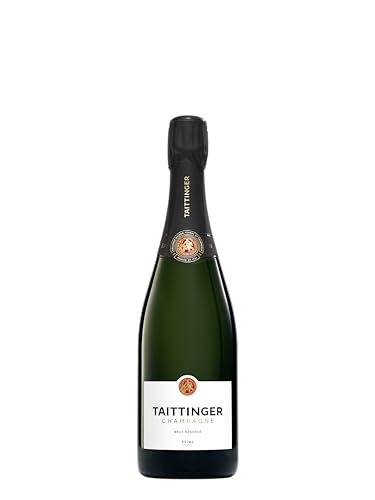
- For a celebration: a classic Champagne like Taittinger Brut Réserve or Bollinger Special Cuvée.
- For great value: a traditional-method alternative like Arthur Metz Crémant d’Alsace or Chapel Down Brut.
- For a relaxed get-together: a fruity Prosecco like La Gioiosa Prosecco Brut.
-

Taittinger Brut Réserve Non Vintage Champagne 750ml
Original price was: £43.00.£36.00Current price is: £36.00. -
Arthur Metz – Crémant d’Alsace Brut Cuvée 1904 Sparkling Wine (1 x 0,75L)
£14.20 -
La Gioiosa Prosecco Brut DOC
£11.99


Serving magnums and big bottles
Large bottles take longer to chill, so give a magnum at least 30–40 minutes in an ice bucket. Pour with two hands, one under the base and one supporting the neck. Read more in our guide to bottle sizes.
What to eat with Champagne
Champagne is wonderfully versatile. Try it with smoked salmon, oysters, fish and chips, fried chicken, soft cheeses or salty crisps. The acidity and bubbles cut through rich, salty and fried food brilliantly.
FAQs
Should Champagne pop when opened?
Ideally not. A gentle sigh means you’ve kept more of the bubbles in the wine.
What’s the best glass for Champagne?
A tulip-shaped or white wine glass lets you enjoy more of the aroma than a narrow flute.
How long does Champagne last once opened?
One to two days in the fridge with a proper sparkling wine stopper.
For more ideas, read our guide to the best Champagne for parties and Champagne cocktails.