France has more famous wine regions than any other country, and each one has its own grapes, styles and traditions. Learning the basics of each region is the quickest way to understand French wine labels, because the region usually tells you what’s in the bottle. Here’s a simple tour, from north to south.
Champagne
What it makes: sparkling wine, from Chardonnay, Pinot Noir and Pinot Meunier.
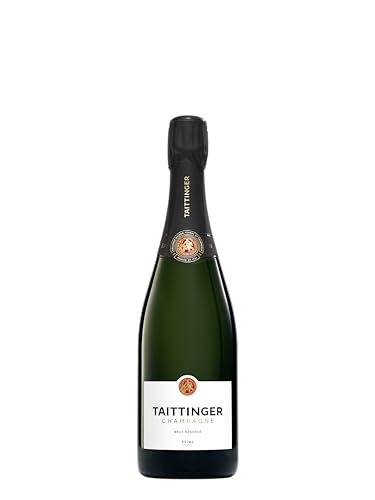
Champagne is the most northerly major wine region in France. Its cool climate and chalky soils produce grapes with high acidity, perfect for sparkling wine. Only wine from this region, made by the traditional method, can be called Champagne.
Try: Taittinger Brut Réserve or Bollinger Special Cuvée.
Alsace
What it makes: aromatic whites, including Riesling, Gewürztraminer and Pinot Gris, plus Crémant d’Alsace sparkling wine.
Tucked against the German border, Alsace is unusual in France because its wines are labelled by grape. It’s sunny and dry, sheltered by the Vosges mountains.
Try: Hugel Gewurztraminer or Arthur Metz Crémant d’Alsace.
-

Taittinger Brut Réserve Non Vintage Champagne 750ml
Original price was: £43.00.£36.00Current price is: £36.00. -
Famille Hugel Classic Gewurztraminer 75 cl
£18.52 -
Arthur Metz – Crémant d’Alsace Brut Cuvée 1904 Sparkling Wine (1 x 0,75L)
£14.20


The Loire Valley
What it makes: crisp whites (Sauvignon Blanc, Chenin Blanc, Muscadet), light reds and sparkling wine.
The Loire runs for hundreds of kilometres from the Atlantic coast into the heart of France. Muscadet is made near the sea, Chenin Blanc in the middle, and Sauvignon Blanc in Sancerre and Pouilly-Fumé further east.
Try: Domaine Sylvain Bailly Sancerre or Muscadet Fildefer Sauvion.
Burgundy
What it makes: Pinot Noir and Chardonnay, including Chablis.
Burgundy is all about where exactly the grapes grow. Vineyards are classified into regional, village, Premier Cru and Grand Cru wines. Chablis, in the north, makes crisp, mineral Chardonnay.
Try: Moillard Burgundy Pinot Noir or Domaine du Colombier Chablis.


Beaujolais
What it makes: light, juicy reds from Gamay.
Just south of Burgundy, Beaujolais makes some of France’s most cheerful reds. The ten “cru” villages, like Fleurie, Morgon and Moulin-à-Vent, make the best.
Try: Louis Jadot Fleurie.
The Rhône Valley
What it makes: warm, spicy reds from Syrah and Grenache, plus rich whites.
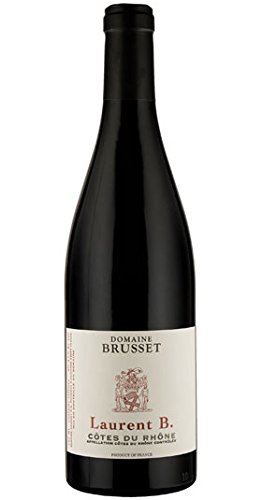
The northern Rhône focuses on Syrah, in wines like Crozes-Hermitage. The southern Rhône blends Grenache with other grapes, in Côtes du Rhône and Châteauneuf-du-Pape.
Try: Domaine Brusset Côtes du Rhône or Chais du Bâtard Châteauneuf-du-Pape.
Bordeaux
What it makes: red blends of Cabernet Sauvignon and Merlot, plus dry whites and sweet Sauternes.
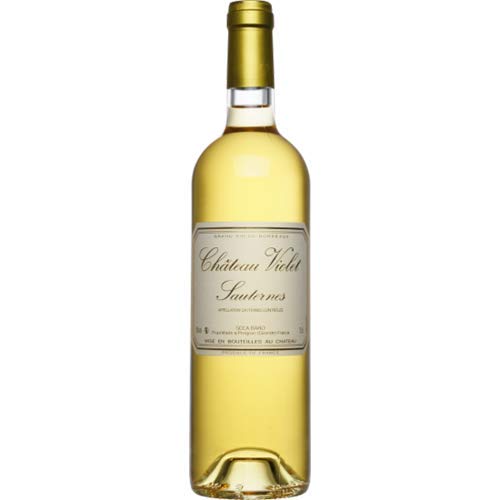
Bordeaux is the world’s most famous red wine region. The Left Bank (Médoc, Graves) favours Cabernet; the Right Bank (Saint-Émilion, Pomerol) favours Merlot. Sauternes makes legendary sweet wines.
Try: Calvet Saint-Émilion or Château Violet Sauternes.

The South West
What it makes: hearty reds, including Malbec in Cahors, and sweet wines like Monbazillac.
Try: Château Ramon Monbazillac.
Languedoc-Roussillon
What it makes: great-value reds, whites and rosés.
This sunny Mediterranean region is France’s largest and most exciting value hotspot. Look for Corbières, Fitou, Minervois and Picpoul de Pinet.
Try: La Baume Fitou or Félines Jourdan Picpoul de Pinet.
Provence
What it makes: pale, dry rosé.
Around 90% of Provence’s wine is rosé, and it sets the standard for the pale, elegant style.
Try: Whispering Angel or Mirabeau Belle Année.
For a shortlist of favourites, read our guide to the best French wines.