The wine list
Red Wine
Red wine gets its colour, structure and much of its flavour from the skins of dark grapes, which are left in contact with the juice during fermentation. The skins also give tannin, the gently drying sensation you notice on your gums, which is what allows many reds to age and what makes them such good partners for rich food. From pale, perfumed Pinot Noir to inky, powerful Shiraz, the range of styles is enormous.
Light, medium or full bodied
Thinking about weight is the easiest way to choose. Light-bodied reds such as Pinot Noir, Gamay (the grape of Beaujolais) and Valpolicella are low in tannin and full of red-berry fruit; they are lovely with roast chicken, charcuterie and even meaty fish. Medium-bodied wines, including Merlot, Sangiovese, Tempranillo and Côtes du Rhône blends, are the all-rounders of the wine world and suit pasta, pizza, sausages and midweek suppers. Full-bodied reds such as Cabernet Sauvignon, Malbec, Syrah or Shiraz and Italy’s Nebbiolo have firmer tannins and darker fruit, and they come into their own with steak, lamb, game and slow-cooked dishes.
Old World and New World
European classics are generally named after the place they come from. Bordeaux blends Cabernet Sauvignon and Merlot, red Burgundy is Pinot Noir, Rioja is led by Tempranillo and Chianti by Sangiovese. These wines tend towards savoury flavours and fresh acidity. Reds from Australia, Chile, Argentina, South Africa and California usually name the grape on the label and offer riper, more fruit-forward flavours thanks to warmer, sunnier growing seasons.
Getting the best from a bottle
Serve red wine a little cooler than a centrally heated room, ideally around 16 to 18°C; too warm and it tastes soupy and alcoholic. Light reds can be chilled for twenty minutes before serving. Young, tannic wines benefit from being opened and poured into a decanter or jug an hour ahead, which softens them and releases the aromas. Older bottles may throw a harmless sediment, so stand them upright for a day and pour carefully. Once opened, most reds keep well for two to three days with the cork or cap back in.
Narrow it down
By style
By price
Showing 65–80 of 302 results
-

Canti – Barbera d’Asti D.O.C.G. Superior, Italian Red Dry Wine 13%, Barbera Grapes from Piemonte, Spicy and Balsamic Taste, 1×750 ml
£8.86 -
Canti – Italian Dry Barolo Red Wine, Nebbiolo Grapes From Piemonte, Rich Dark Berry Flavor with a Robust Rich Taste, 1×750 ml
Original price was: £18.81.£15.99Current price is: £15.99. -
Carpano Antica Formula Vermouth Rosso, 100cl, 16.5% ABV, Italian Red Vermouth, White Wines from Italy with Premium Botanicals, Ideal for Negroni Sbagliato, Original Recipe, Gift Idea
Original price was: £34.50.£29.95Current price is: £29.95. -
Casa Ferreirinha | Papa Figos Douro Tinto 13% ABV | 6 x 75cl
£90.95 -
Casa Ferreirinha Papa Figos Douro Tinto 75cl 13.5% ABV
£19.95 -
Castelforte Amarone della Valpolicella Classico DOC Veneto, 75 cl
£25.14 -
Castello di Albola Chianti Classico DOCG – Italian Still Red Wine from Tuscany – 100% Sangiovese Grapes – 75cl / 750ml, 13.5% ABV
£16.30 -
Castello di Albola Chianti Classico Riserva DOCG – Italian Still Red Wine from Tuscany – 100% Sangiovese Grapes – 75cl / 750ml, 13.5% ABV
£18.22 -
Catena Malbec | Red wine | Red wine case | Argentina | 13.5ABV (Single bottle 75cl)
£24.99 -
Central Valley of Chile (Wines of the World: Chile)
£18.87 -
Château des Arnauds Cabernet Sauvignon – Classic Bordeaux Red Wine – Rich, Full-Bodied & Smooth – 750ml Bottle – Ideal for Pairing & Gifting
£19.99 -
Château des Arnauds Malbec – Bold French Bordeaux Red Wine | Rich, Full-Bodied Elegance from France
£19.99 -
CHATEAU DES GRAVIÈRES, Graves, 750ml, Graves/France, RED WINE
£29.99 -
Chateau des Jacques, Moulin-à-Vent ‘Clos de Rochegrès’, RED WINE (case of 6x75cl) France/Beaujolais
£205.00 -
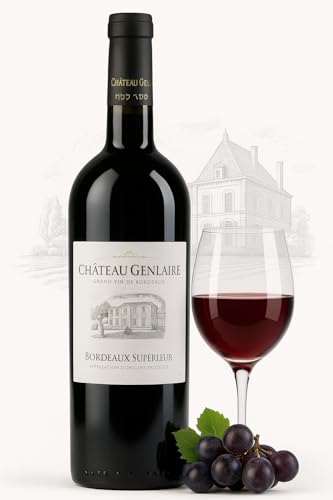
Château Genlaire Bordeaux Supérieur – Grand Vin de Bordeaux – Premium French Red Wine – 750ml Bottle – Elegant and Balanced
£19.99 -
Chateau La Nerthe Chateauneuf du Pape Red Wine, 750ml
£59.99



The buying guide
Red Wine
Red wine gets its colour, structure and much of its flavour from the skins of dark grapes, which are left in contact with the juice during fermentation. The skins also give tannin, the gently drying sensation you notice on your gums, which is what allows many reds to age and what makes them such good partners for rich food. From pale, perfumed Pinot Noir to inky, powerful Shiraz, the range of styles is enormous.
Light, medium or full bodied
Thinking about weight is the easiest way to choose. Light-bodied reds such as Pinot Noir, Gamay (the grape of Beaujolais) and Valpolicella are low in tannin and full of red-berry fruit; they are lovely with roast chicken, charcuterie and even meaty fish. Medium-bodied wines, including Merlot, Sangiovese, Tempranillo and Côtes du Rhône blends, are the all-rounders of the wine world and suit pasta, pizza, sausages and midweek suppers. Full-bodied reds such as Cabernet Sauvignon, Malbec, Syrah or Shiraz and Italy’s Nebbiolo have firmer tannins and darker fruit, and they come into their own with steak, lamb, game and slow-cooked dishes.
Old World and New World
European classics are generally named after the place they come from. Bordeaux blends Cabernet Sauvignon and Merlot, red Burgundy is Pinot Noir, Rioja is led by Tempranillo and Chianti by Sangiovese. These wines tend towards savoury flavours and fresh acidity. Reds from Australia, Chile, Argentina, South Africa and California usually name the grape on the label and offer riper, more fruit-forward flavours thanks to warmer, sunnier growing seasons.
Getting the best from a bottle
Serve red wine a little cooler than a centrally heated room, ideally around 16 to 18°C; too warm and it tastes soupy and alcoholic. Light reds can be chilled for twenty minutes before serving. Young, tannic wines benefit from being opened and poured into a decanter or jug an hour ahead, which softens them and releases the aromas. Older bottles may throw a harmless sediment, so stand them upright for a day and pour carefully. Once opened, most reds keep well for two to three days with the cork or cap back in.