If you’ve ever tasted vanilla in a Rioja, toast in a Chardonnay or a hint of coconut in an Australian Shiraz, you’ve tasted oak. Oak barrels have been used for wine for centuries, and they have a huge influence on how a wine looks, smells and tastes. Here’s how it works.
Why oak?
Barrels were originally just a handy way to store and transport wine. Winemakers soon noticed that wine aged in oak tasted different, and better. Oak does two main things:
- Adds flavour: compounds in the wood give vanilla, toast, spice, smoke, cedar and coconut notes.
- Changes texture: oak lets tiny amounts of oxygen reach the wine over time. This softens tannins, rounds out the texture and helps develop complex, savoury flavours.
French oak vs American oak
The type of oak matters a lot.
- French oak has a tight grain and gives subtle, elegant flavours: spice, cedar, toast and gentle vanilla. It’s used for top Bordeaux, Burgundy and many fine wines around the world.
- American oak has a looser grain and gives bolder, sweeter flavours: strong vanilla, coconut and dill. It’s traditional in Rioja and popular in Australia.
Taste Beronia Rioja Reserva, aged in a mix of American and French oak, alongside Beronia Gran Reserva, aged in French oak, and you’ll notice the difference.
New oak vs old oak
A new barrel gives the strongest flavour. Each time it’s reused, it gives less. By its third or fourth use, a barrel adds very little flavour but still lets the wine breathe and soften. Many winemakers blend wine from new and older barrels to get the balance right.
Toasting
Barrels are toasted over a fire as they’re made. Light toast gives subtle, fruity notes; medium toast adds vanilla and caramel; heavy toast brings smoky, coffee and chocolate flavours.
How long does wine spend in oak?
Anything from a few months to several years. Rioja’s ageing rules show this clearly: a Crianza must spend at least a year in oak, while a Gran Reserva spends at least two. Read more in our Rioja guide.
-

Beronia Rioja Reserva – Spanish Red Wine, 75cl Bottle
Original price was: £17.50.£15.93Current price is: £15.93. -
Beronia Rioja Gran Reserva – Spanish Red wine, 75cl Bottle
£25.00 -
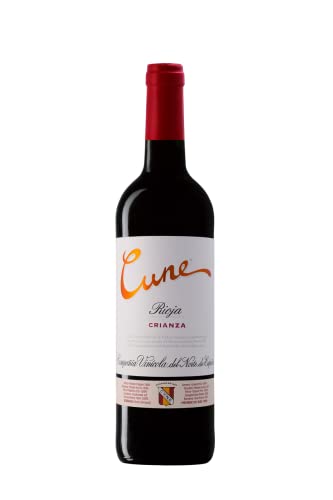
Cune Crianza Rioja Spain Red Wine 75 cl
Original price was: £10.75.£9.50Current price is: £9.50.


Oaked and unoaked whites
Chardonnay shows the effect of oak perfectly.
- Unoaked Chardonnay, like Chablis, is crisp, fresh and citrussy. Try Domaine du Colombier Chablis.
- Oaked Chardonnay is rounder and creamier, with notes of butter, toast and nuts. Try Moillard Burgundy Chardonnay or Louis Jadot Pouilly-Fuissé.
Tasting the two side by side is one of the best ways to learn what oak tastes like.


Cheaper ways to add oak flavour
Barrels are expensive. Some everyday wines get their oaky flavour from oak chips or staves added to steel tanks. It’s a perfectly legal and cheaper way to add vanilla and toast notes, though it doesn’t give the same gradual softening as barrel ageing.
Other woods and barrels
Some wines are finished in barrels that previously held spirits. Jacob’s Creek Double Barrel Shiraz is finished in old whisky barrels, and Los Intocables Bourbon Barrel Malbec in bourbon barrels, both giving extra richness and sweet spice.
Which wines are usually unoaked?
Many fresh, aromatic wines are deliberately kept away from oak to preserve their pure fruit, including Sauvignon Blanc, Riesling, Pinot Grigio, Albariño, most rosé and Beaujolais.
FAQs
Does oak make wine better?
Not always. Oak suits some wines, but too much can mask the fruit. The best winemakers use it with a light touch.
What does “oak aged” mean on a label?
The wine has spent time in oak barrels, though the label doesn’t usually say how long.
Why does red wine taste of vanilla?
Vanillin, a natural compound in oak, gives that vanilla flavour, especially in American oak.
Learn more about how wine gets its structure in our guide to tannins.